

Energy guzzler to efficiency — renovating a High Street property
Background
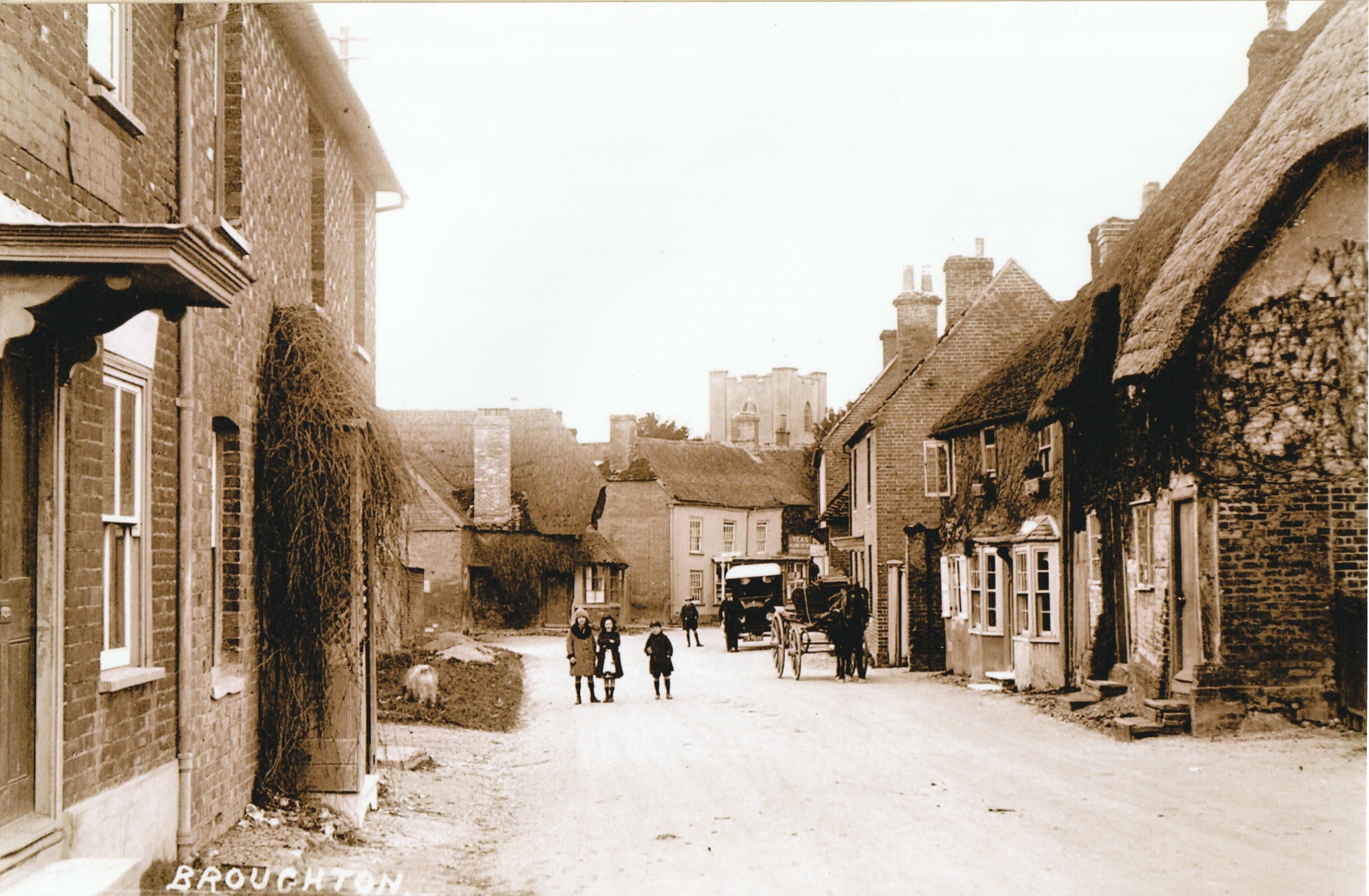
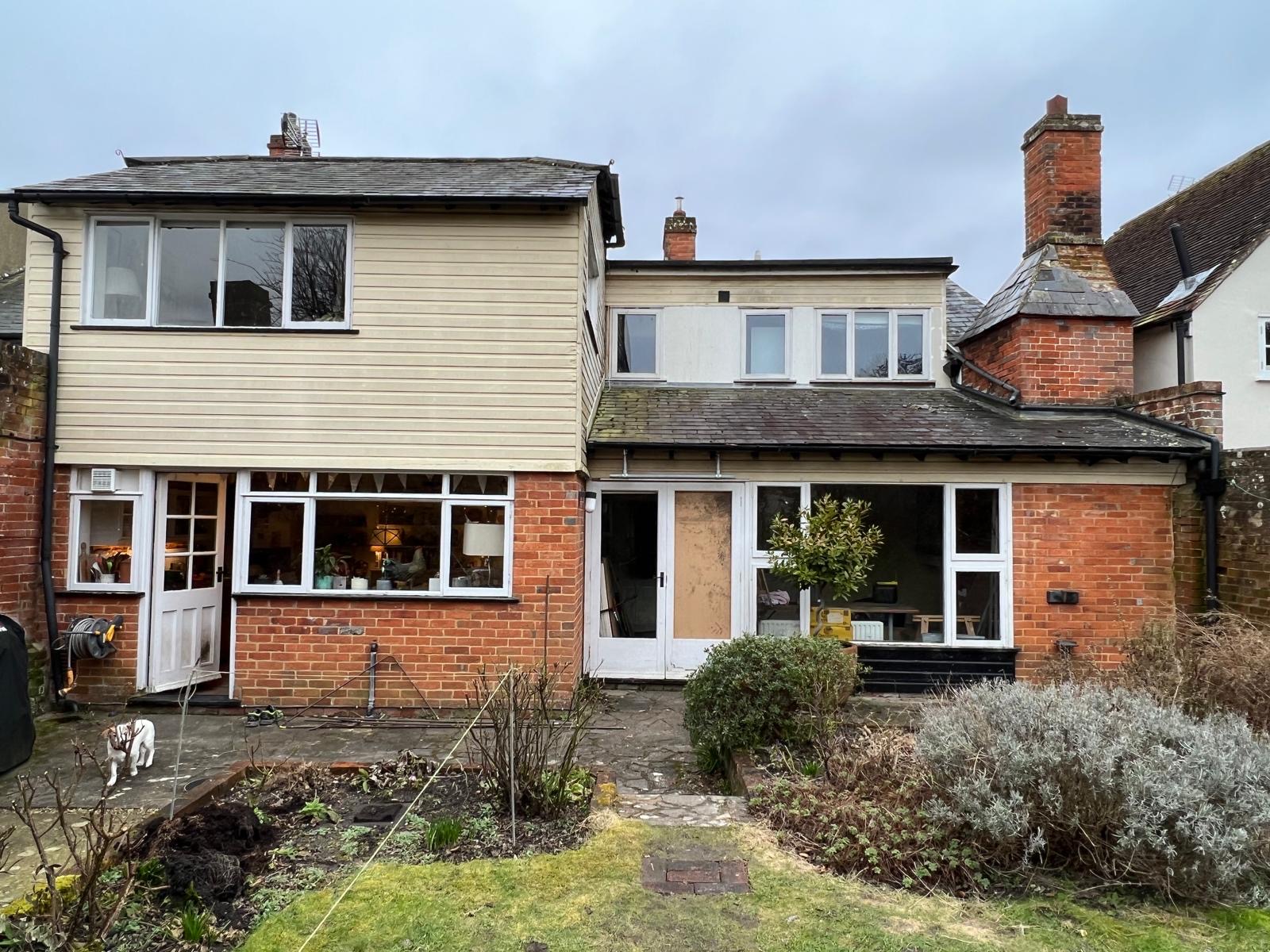
When we began renovating our Broughton High Street property in early 2023, we were dealing with a time capsule. The building hadn't been refurbished since 1967, something we were reminded of daily by the historical artefacts uncovered during demolition. Behind the charming facade lay a structure that was incredibly energy inefficient: double-skinned brick walls with single-glazed windows at the rear, old single-glazed sash windows at the front, and a roof that was a patchwork of flat and pitched slate on timber with almost no insulation. Heating came from a relatively new oil-fired boiler, fuelled by an ageing 2,800-litre tank, non-compliant with modern regulations, filled twice a year for annual consumption of around 5,500 litres.
Developing the energy strategy
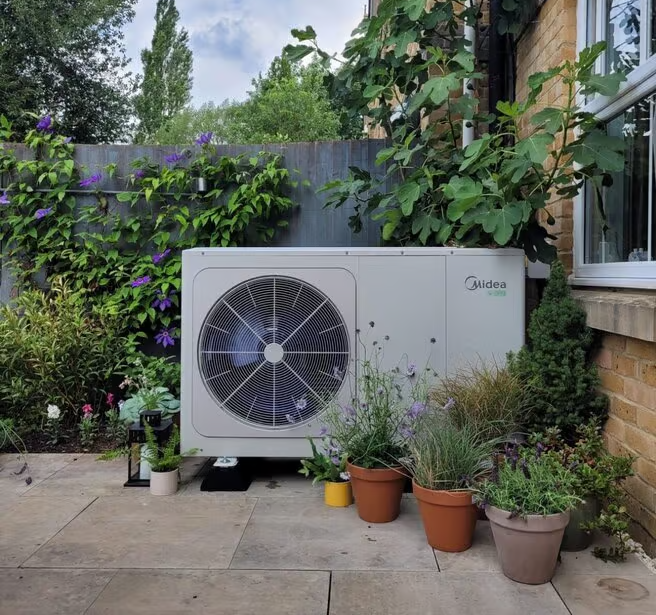
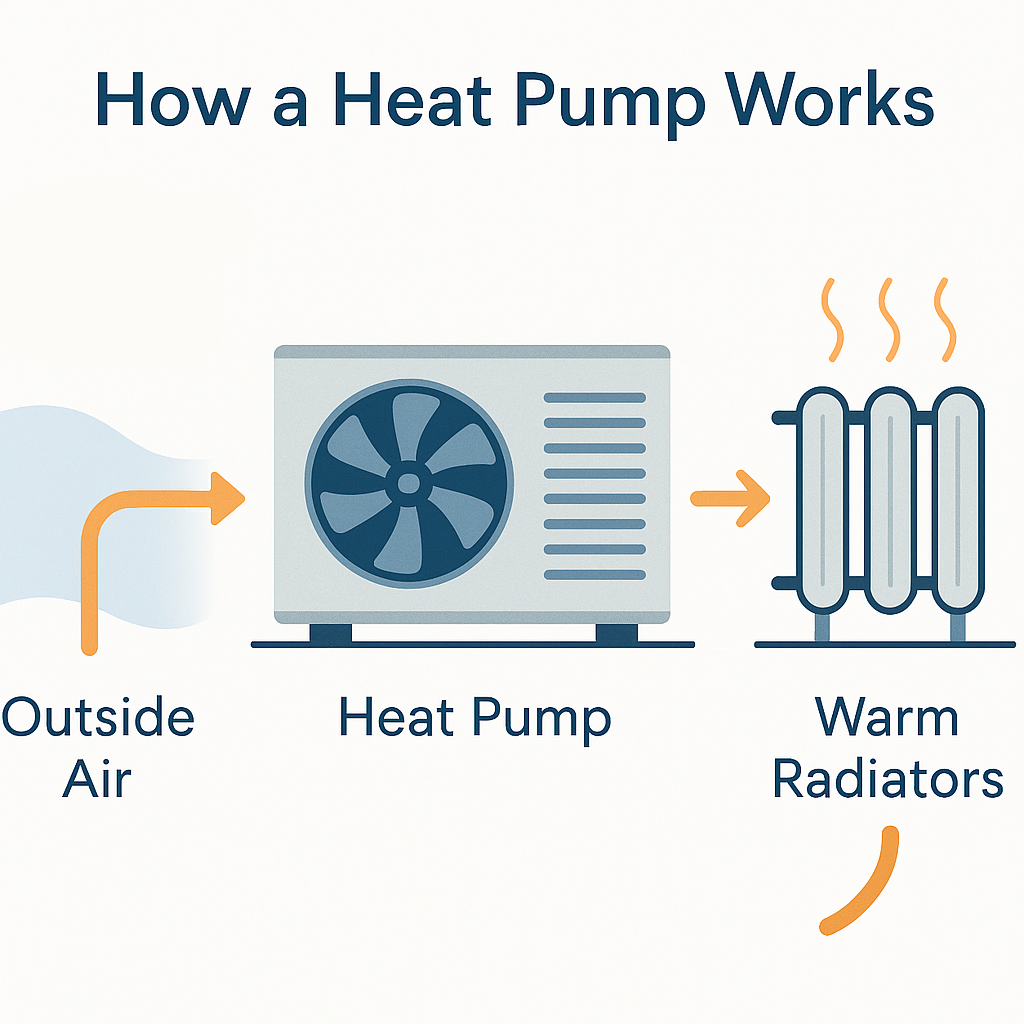
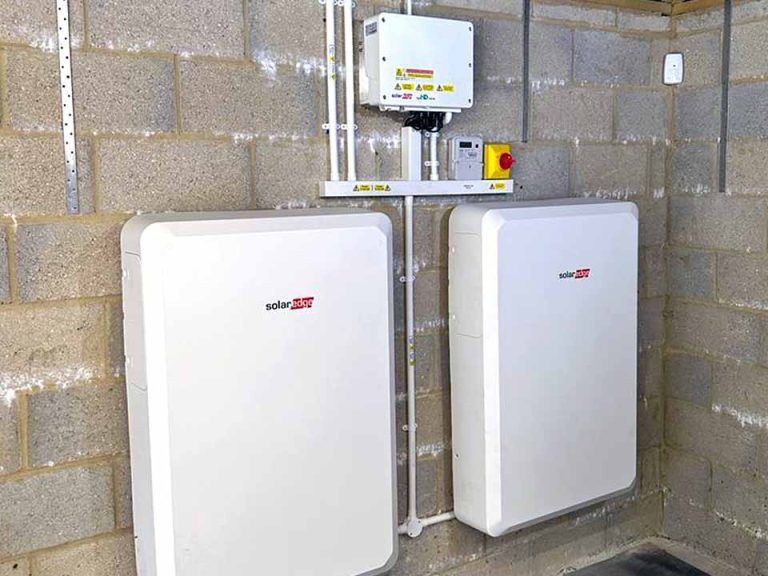
We explored a range of renewable and low-carbon options — solar panels, air and ground-source heat pumps, even a ground-source system using an old well we discovered under the kitchen floor. But once we ran the numbers, it was clear the installation cost and disruption (including replacing all heating pipework) would outweigh the benefits, and conservation area restrictions limited what could be installed externally. So we shifted to a "reduction strategy": making the 200-year-old building as efficient as possible while keeping the existing oil system, but preparing it for future upgrades — infrastructure for a future solar hot water tank, insulation upgraded throughout to exceed building control standards, a gas hob for precision cooking, and a boiling water tap to cut gas use for boiling water.
The works
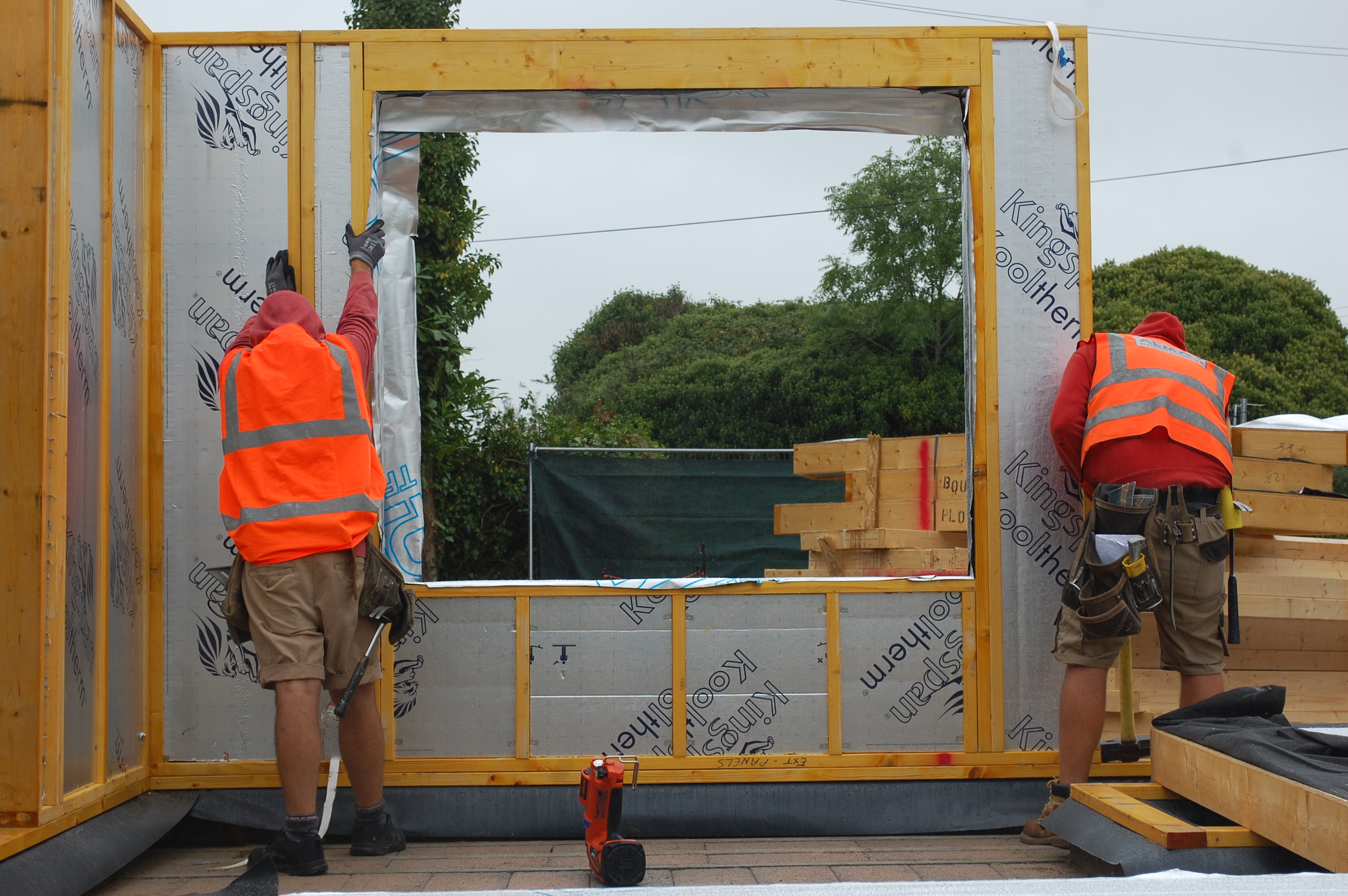
New double-glazed windows and doors were fitted to the rear; the front sash windows were replaced with bespoke double-glazed units. The kitchen gained a new insulated floor slab and underfloor heating. All new walls were cavity-insulated, and loft spaces received a mix of loft roll, polyurethane board and chipboard. The trickiest technical challenge was the kitchen rooflight, where the stud upstand was just 50mm thick across 6 sq m — solved with an aerogel board: ultra-thin, super-insulating, and not cheap, but worth it.
Results
Oil consumption has fallen from roughly 5,500 litres to 2,000 litres a year — a saving of about £2,100 annually. Gas use has halved, saving another £100 a year. The £600 boiling water tap has already cut cooking-related gas use by nearly half. The house is now warmer, cleaner and far more efficient, ready for the next phase when renewables become more cost-effective.